


AI-Powered Business Transformation: Driving Innovation and Efficiency
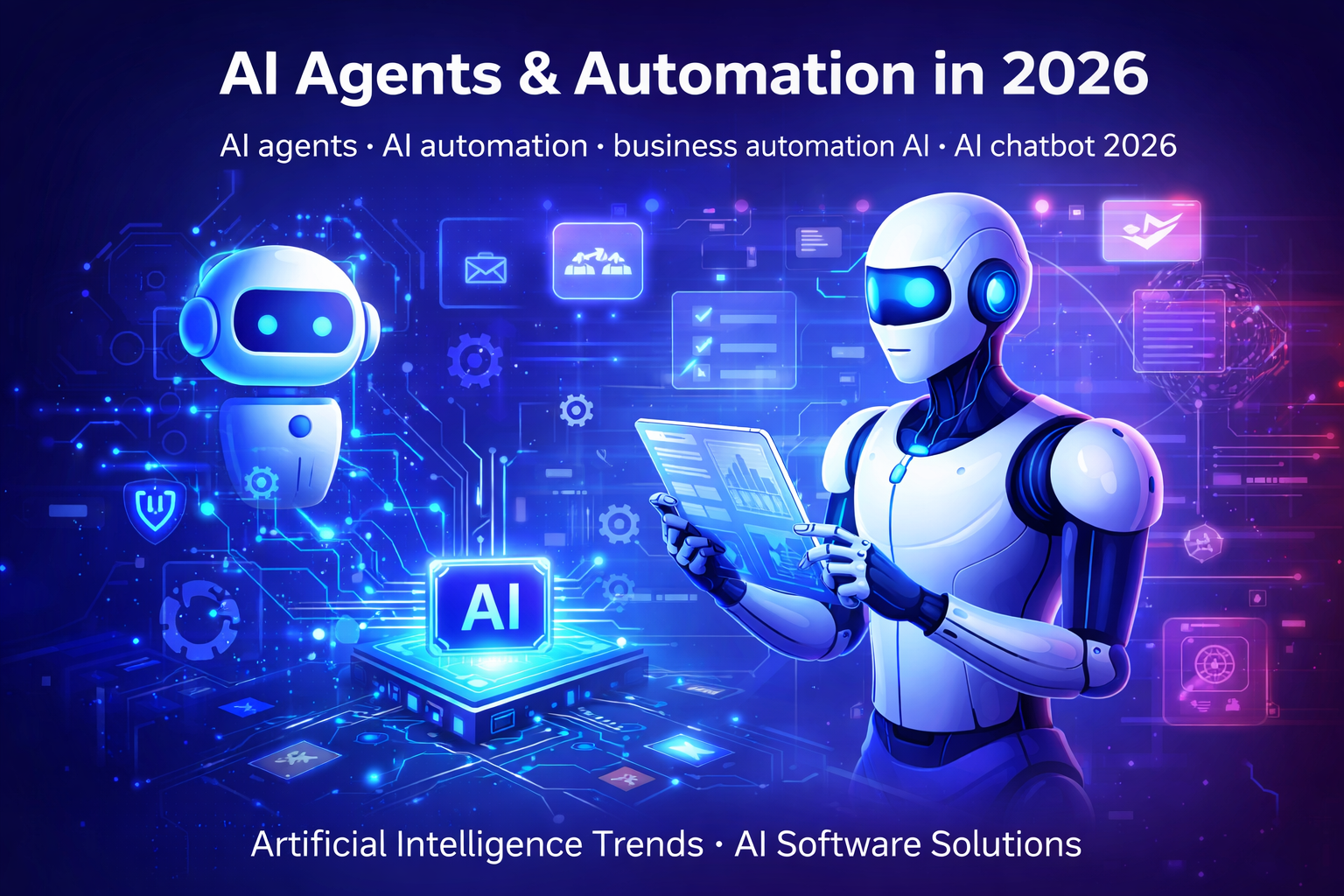
Artificial Intelligence (AI) is no longer just a futuristic concept—it has become an essential driver of innovation, efficiency, and competitiveness across industries. From predictive analytics and natural language processing to advanced automation, AI is transforming how organizations operate, engage with customers, and make strategic decisions. In this article, we will explore the fundamentals of AI-powered business transformation, key applications, benefits, challenges, and best practices for successful implementation.
What is AI-Powered Business Transformation?
AI-powered business transformation refers to the adoption of artificial intelligence technologies to enhance processes, improve decision-making, and deliver smarter customer experiences. Unlike traditional digital transformation, AI introduces self-learning systems that can analyze vast amounts of data, identify patterns, and continuously optimize business outcomes.
Key Applications of AI in Business
- Automation of Repetitive Tasks
AI-powered bots and robotic process automation (RPA) streamline repetitive, rule-based tasks, freeing employees to focus on strategic work.
- Predictive Analytics
By analyzing historical and real-time data, AI predicts future trends—helping businesses make informed decisions in areas like sales forecasting, inventory management, and risk assessment.
- Natural Language Processing (NLP)
NLP enables machines to understand and respond to human language, powering chatbots, voice assistants, and intelligent document processing.
- Customer Experience Enhancement
Personalized recommendations, AI-driven customer support, and behavior analysis create seamless customer journeys and improve retention.
- Fraud Detection and Cybersecurity
AI detects unusual patterns in transactions or network activity, preventing fraud and mitigating cyber risks before they escalate.
- Supply Chain Optimization
AI-driven systems forecast demand, optimize logistics, and improve efficiency across global supply chains.
Why AI-Powered Transformation Matters
- Increased Efficiency
Automating processes reduces human errors and accelerates workflows.
- Cost Savings
Intelligent automation and optimized decision-making reduce operational costs.
- Better Decision-Making
AI enables data-driven insights that guide smarter, faster business strategies.
- Enhanced Customer Engagement
Personalized interactions build trust and long-term relationships.
- Competitive Advantage
Early adopters of AI are better positioned to outpace competitors in innovation and market responsiveness.
Common Challenges in Implementing AI
- Data Quality Issues
AI relies on accurate and clean data. Poor-quality data can lead to ineffective results.
- High Implementation Costs
Initial setup, infrastructure, and skilled talent requirements can be expensive.
- Resistance to Change
Employees may resist automation due to fear of job loss or lack of AI literacy.
- Security and Privacy Concerns
Handling sensitive data with AI raises compliance and security challenges.
- Skill Gaps
Lack of skilled AI professionals can slow down adoption.
Best Practices for Successful AI Transformation
- Start with Clear Goals
Define measurable business outcomes before implementing AI solutions.
- Invest in Data Management
Build strong data governance practices to ensure high-quality, usable datasets.
- Adopt a Phased Approach
Start small with pilot projects, then scale gradually across departments.
- Upskill Employees
Train teams on AI tools and concepts to foster acceptance and productivity.
- Ensure Ethical AI Practices
Incorporate transparency, fairness, and accountability into AI algorithms.
- Collaborate with Experts
Partner with technology providers or consultants to bridge skill and knowledge gaps.
Conclusion
AI-powered business transformation is redefining the future of work, customer experience, and innovation. By leveraging automation, analytics, and intelligent systems, organizations can unlock new growth opportunities and operational excellence. While challenges such as costs and data privacy remain, adopting a strategic approach with clear goals and ethical practices can ensure long-term success.
In today’s digital economy, businesses that embrace AI not only survive disruption but also lead the way in shaping tomorrow’s competitive landscape.
FAQs
Q1: How can small businesses benefit from AI?
A: Small businesses can use AI for customer support (chatbots), marketing personalization, and data-driven decision-making without heavy investments.
Q2: Is AI expensive to implement?
A: While advanced solutions may require investment, many scalable, cloud-based AI tools are available at affordable costs.
Q3: Will AI replace human jobs?
A: AI automates repetitive tasks but also creates opportunities in areas like AI management, data science, and innovation strategy.
Q4: What industries benefit most from AI?
A: Healthcare, finance, retail, logistics, manufacturing, and marketing are leading industries harnessing AI for growth.