


Mobile App Development Trends 2025: What Businesses Need to Know
The mobile app industry continues to evolve rapidly, driven by innovation, user expectations, and emerging technologies. By 2025, businesses are not just building apps for functionality—they are creating immersive, intelligent, and personalized digital experiences. In this blog, we’ll explore the top mobile app development trends in 2025, their impact, and how businesses can leverage them to stay ahead.
Key Mobile App Development Trends in 2025
- 5G-Powered Applications
- Ultra-fast speeds and low latency enable advanced features like AR/VR, real-time streaming, and IoT-powered applications.
- Ultra-fast speeds and low latency enable advanced features like AR/VR, real-time streaming, and IoT-powered applications.
- AI and Machine Learning Integration
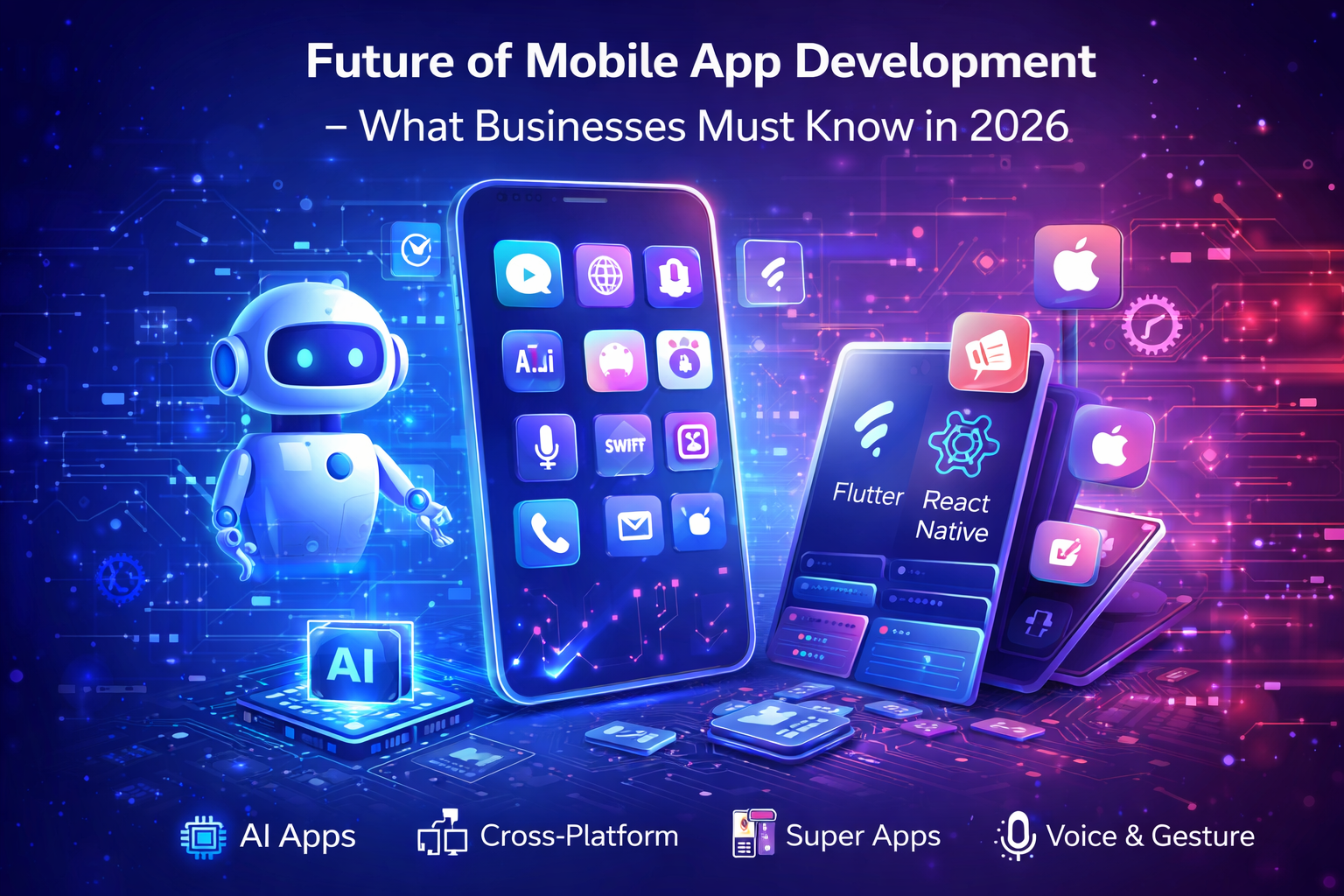
- Apps now deliver hyper-personalized experiences, voice recognition, predictive analytics, and intelligent recommendations.
- Apps now deliver hyper-personalized experiences, voice recognition, predictive analytics, and intelligent recommendations.
- Super Apps (All-in-One Platforms)
- Inspired by Asian markets, “super apps” combine multiple services like payments, shopping, messaging, and booking in a single ecosystem.
- Inspired by Asian markets, “super apps” combine multiple services like payments, shopping, messaging, and booking in a single ecosystem.
- Cross-Platform Development
- Frameworks like Flutter, React Native, and Kotlin Multiplatform dominate, helping businesses save time and costs while ensuring consistency.
- Frameworks like Flutter, React Native, and Kotlin Multiplatform dominate, helping businesses save time and costs while ensuring consistency.
- Voice-Enabled Apps
- With the rise of smart assistants, voice interfaces are becoming mainstream in e-commerce, travel, and productivity apps.
- With the rise of smart assistants, voice interfaces are becoming mainstream in e-commerce, travel, and productivity apps.
- AR and VR Experiences
- Augmented and virtual reality are transforming gaming, e-commerce, real estate, and education apps.
- Augmented and virtual reality are transforming gaming, e-commerce, real estate, and education apps.
- Blockchain-Powered Security
- Apps increasingly use blockchain for secure transactions, data integrity, and decentralized identity management.
- Apps increasingly use blockchain for secure transactions, data integrity, and decentralized identity management.
- Wearable Tech Integration
- Smartwatches and fitness trackers sync seamlessly with apps, fueling growth in health, wellness, and lifestyle industries.
Why Businesses Should Pay Attention to These Trends
- Enhanced User Experience
Cutting-edge technologies elevate engagement and satisfaction.
- Competitive Edge
Businesses that embrace innovation early can attract and retain more users.
- Scalability
Modern frameworks and cloud-native apps scale effortlessly with growing demand.
- Revenue Opportunities
Trends like AR commerce, super apps, and subscription models create new monetization streams.
Challenges in Adopting Emerging App Trends
- High development costs for advanced features.
- Security risks with IoT and AI-powered apps.
- Keeping up with evolving platforms and frameworks.
- User privacy concerns with data-heavy technologies.
Best Practices for Mobile App Development in 2025
- Prioritize User-Centric Design
Intuitive, accessible, and inclusive design ensures long-term adoption.
- Focus on Security
Use strong encryption, secure APIs, and multi-factor authentication.
- Adopt Agile Development
Continuous delivery and quick iterations improve responsiveness.
- Test Across Platforms and Devices
Ensure seamless performance across iOS, Android, and wearables.
- Use Cloud Backends
Cloud-native infrastructure ensures scalability and reliability.
Conclusion
Mobile app development in 2025 is all about creating smarter, faster, and more connected digital ecosystems. By embracing trends like AI integration, super apps, and AR/VR, businesses can meet user expectations and secure a competitive edge in the market.
FAQs
Q1: What is a super app?
A: A super app combines multiple services—such as payments, messaging, and shopping—into a single application.
Q2: Is AR/VR app development expensive?
A: Costs can be higher, but modern frameworks and cloud tools are reducing expenses.
Q3: Which industries benefit most from mobile app trends?
A: Retail, healthcare, fintech, education, and gaming are leading adopters.